
July 16, 2020
|7 min read
CVM’s Remote Access Program
Updated August 2026
FDA’s Center for Veterinary Medicine (CVM) runs the Remote Access Pilot Program through its Office of New Animal Drug Evaluation (ONADE). This pilot changes how study data reaches the agency. Instead of submitting copies of the data, sponsors give CVM reviewers read-only remote access to the study database in the EDC system where the data already lives.
How the CVM Remote Access Program works
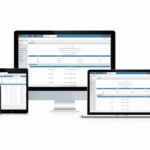
During review, CVM reviewers log in to a read-only view of the sponsor’s software system. They see the source data and its audit trail together, in a database they can navigate, rather than a stack of exported spreadsheets and attachments. CVM has publicly described its standard copy-based review process as difficult to work with and has reported consistently positive feedback on the remote-access experience.
What it means for sponsors and CROs
Remote access removes the work of packaging study data into an eSubmitter-ready format, along with the file-size and upload limits that slow the standard process. Submissions are faster and less costly, and CVM reviews from the same system of record the study team used. Participating takes some setup documentation up front, which Prelude prepares and routes to the right people at CVM.
Prelude’s track record
Prelude has supported six study submissions through the program since 2020. CVM’s only public count of the program comes from a 2023 presentation that listed four submissions, and it has not been updated since. One of those six is public: VetDC’s TANOVEA, which received full FDA approval on July 15, 2021, the first conditionally approved dog drug to advance from conditional to full approval under FDA’s Minor Use and Minor Species (MUMS) program. Prelude’s EDC held the study data, and CVM had real-time access during the review.
The source material
The program and the TANOVEA approval are documented in public sources:
- CVM’s EDC Remote Access Pilot Program information (FDA)
- CVM’s QASR Hot Topics presentation, reporting the pilot’s findings and feedback (FDA)
- TANOVEA Freedom of Information Summary (FDA)
- How Prelude’s partner VetDC reached full approval (Prelude)
Frequently Asked Questions:
What is CVM’s Remote Access program?
It’s a standing program offered by FDA’s Center for Veterinary Medicine (CVM) that allows the agency’s reviewers to access your study data directly inside your software system, rather than requiring you to compile and submit everything through eSubmitter. CVM reviewers get read-only access and can review your data as it exists in the live system. This is no longer a pilot. CVM officially transitioned it to a permanent, standing program open to all eligible sponsors.
Which branch at CVM manages this?
The Quality Assurance (QA) branch within CVM’s Office of New Animal Drug Evaluation (ONADE) leads and manages the Remote Access program.
What types of studies qualify?
Currently, the program is primarily used for GCP (Good Clinical Practice) studies. CVM has expressed openness to expanding Remote Access to GLP studies, but that involves more stakeholder coordination and is still evolving. The program covers all animal types: companion animals, livestock, wildlife, and minor species.
What’s the actual benefit of Remote Access?
The primary benefit is on the sponsor’s side: significantly less prep work. Instead of assembling XML files, extracts, and downloads and uploading them through eSubmitter, CVM reviewers log directly into your study software. You skip the compile-and-submit step entirely.
CVM has reported that sponsors who use Remote Access have been more likely to achieve one-cycle reviews, meaning fewer rounds of back-and-forth before approval.
Does Remote Access shorten FDA’s review timeline?
No. This is an important distinction: CVM has been explicit that Remote Access does not reduce their review time. The review itself takes just as long. What it reduces is the time and effort you spend preparing and submitting your data package. The value is cleaner submissions and fewer review cycles, not a faster FDA clock.
What does CVM say about it?
CVM actively promotes the program and encourages sponsors to use it. They’ve described it as a success based on sponsor feedback around efficiency. They regularly mention it at presentations and want broader adoption.
Who at my organization needs to be involved?
At minimum, you’ll need:
- Someone to configure the read-only access role in your software system
- Someone to conduct internal testing (UAT) of that role before CVM gets in
- Someone to coordinate the formal introductory meeting with CVM (typically a Z meeting request)
- Someone to lead training sessions for CVM reviewers on how to navigate your study set up inside the platform
Depending on your team size, this could be one person or several. If you have a small team, make sure you have enough unmasked study personnel to properly test the reviewer role.
Does Prelude set up the CVM access for us?
Prelude will work with you to configure the appropriate read-only role. The configuration itself, what CVM can and cannot see, is determined by your team in partnership with Prelude. Prelude cannot submit or negotiate directly with CVM on your behalf; the sponsor initiates and manages the CVM relationship.
How does CVM get access to our system?
You create a dedicated read-only user role in your EDC specifically for CVM reviewers. This role is configured to give them visibility into all study-relevant data while excluding anything that isn’t pertinent to their review (e.g., financial data). If you are using Prelude, we can help you set this up.
What can CVM see? What should we exclude?
CVM reviewers should have access to all data relevant to their scientific and regulatory review: study data, visit records, protocol deviations, audit trails, etc. Standard practice is to exclude financial information, as it’s not relevant to their review.
How is data security handled?
CVM receives read-only access, which means they cannot alter, add, or delete any data in your system. Many sponsors run internal testing (acting as the reviewer role themselves) to confirm that the access boundaries are exactly right before CVM logs in.
How do I initiate the program?
The process begins with a Z meeting request to CVM, a formal pre-submission meeting to align on how Remote Access will work for your specific study. This is typically the most involved step. Once the meeting is confirmed, you’ll walk CVM through the access setup and conduct training before they begin their review.
Can CVM access the system before the study is officially submitted?
Yes, and this is one of the under-appreciated advantages. CVM reviewers can be given access before your official submission date, allowing them to get familiar with the data in advance. One sponsor described CVM having access “weeks earlier” than the formal submission, which was particularly valuable during periods of uncertainty (like government shutdowns) because they could confirm reviewer activity was happening.
What if our study build isn’t perfect?
It’s a natural concern, but experienced teams who have gone through this describe it as a non-issue if your study has been properly built and QC’d. As one sponsor put it: “Your database has been picked over in so many different ways, if you’re ready to submit, you should be ready for this.” CVM’s job is to ask questions; that’s expected and normal.
Are there any downsides?
Based on sponsor feedback, the setup process (particularly the initial Z meeting and role configuration) requires some upfront investment. But teams who have completed the process report no negatives to the actual Remote Access experience, and describe it as significantly easier than compiling a traditional eSubmitter package.
What if our team is small?
Small teams should plan for the UAT step carefully: you need enough unmasked study personnel to properly test the read-only role before handing access to CVM. This is something to think through during planning, not after your role is set up.
Is there any risk to the regulatory relationship with CVM?
No, quite the opposite. Sponsors who have used the program describe the CVM interaction as professional, navigational, and largely hands-off once access is established. CVM reviewers ask questions when they have them and otherwise work independently.
Planning a CVM submission?
We can show you how remote access works for your protocol and what it takes to participate.
Subscribe to our newsletter and stay up to date on the latest.
Sign up for our newsletter